Properly Back In Love With The Cittern
I don’t know quite what happened, nor can I explain why I stopped using the cittern as my main instrument, but since Duncan and I released “Heritage” I’ve started to enjoy playing it much more. More generally I felt my writing had become stale, my lyric metering predictable, and my playing was lacking enthusiasm and spark.
Sometimes the general pressures of work and life can hold back creativity. This year, I don’t think I’ve ever been busier – I retired (early) from running a business in January 2023. Yet even during the weeks, sometimes months, in which I haven’t picked up an instrument I’ve felt consumed by the general stuff of life. “There are those who do, and those who don’t. We just did.” I was probably doing too much.
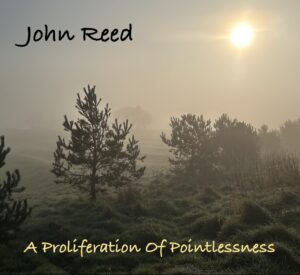
This January, around the time we were re-booting the “Heritage” recording process, I circulated my annual exclusive album to newsletter subscribers (if you haven’t, it’s free and you get just one per quarter). The album included a cittern version of “Heroes and Warriors” from “A Proliferation Of Pointlessness”, my last public solo release. It reminded me that I’d started to mess around with delay and other effects a bit more. So that’s probably the point at which my love for the cittern started to return, not that it ever completely went away.
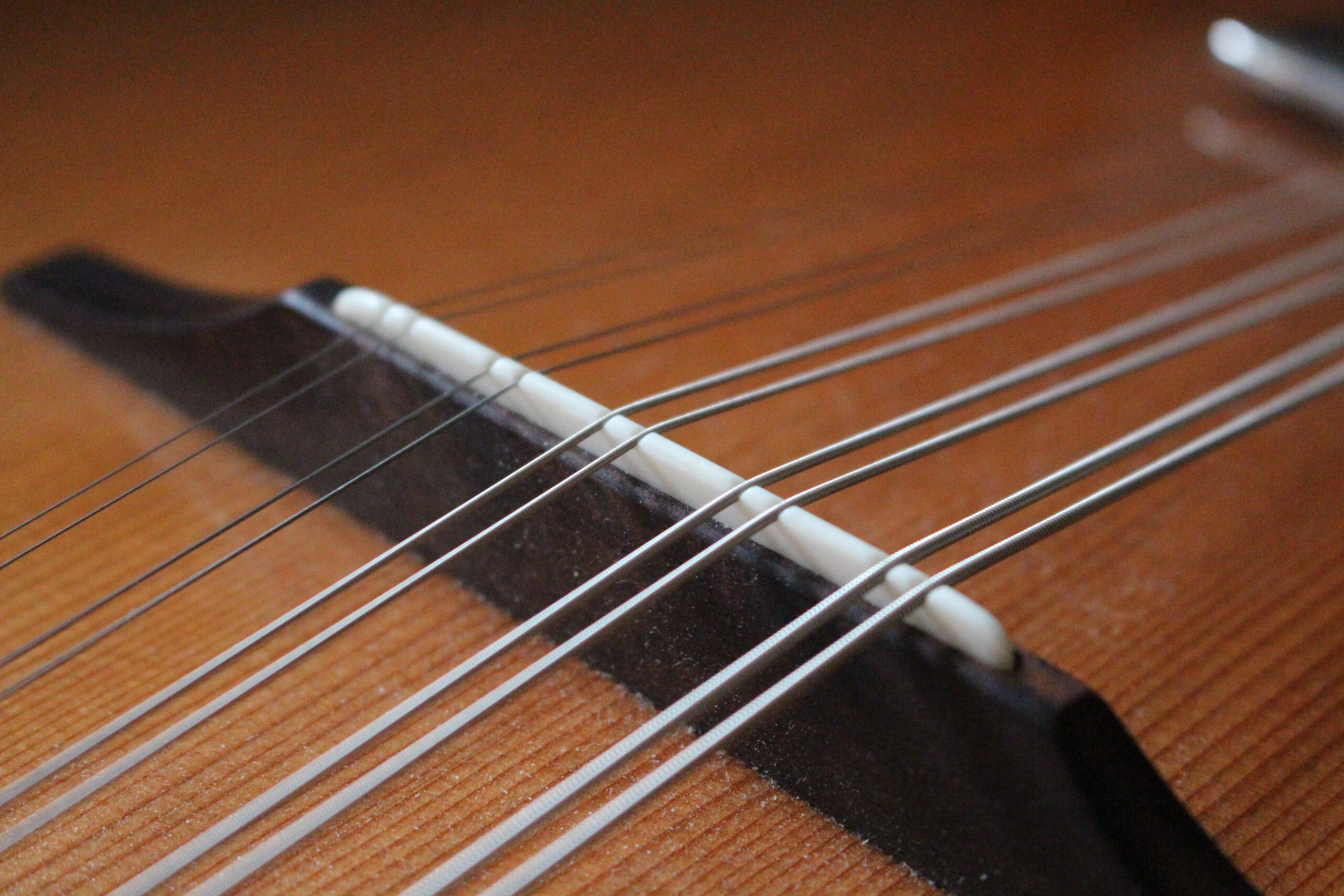
Because it covers all frequencies, a cittern can easily dominate a song. Each of the five pairs of strings has equal gauge, which gives more resonance than sister instruments like the mandola and bouzouki. It can be difficult to restrain. It’s a beast. I’ve always had an aggressive playing style on whatever string instrument I play. So up until this year, those two things were limiting what I could achieve.
The cittern version of “Heroes and Warriors” covered all bases. It opens with cittern rising and falling on volume pedal, mimicking an organ sound, continues with delay on the treble strings, and builds to a full rock crescendo – what I’ve previously described as ‘thrash cittern’! That one song reminded me of the full range of sounds I can get from this beautiful instrument, if only I would try harder.
I decided to order a different configuration of cittern strings. It’s sometimes minor adjustments that give you exactly what you want. On this occasion, I octaved the middle pair of strings – in lay person’s terms, a thick string and a thin string. It made a real difference to the way I played, and reduced that dominance I spoke of earlier. Here’s a small sample:
The downside of using a thin string turned quickly into an upside. At first, my normal finger pressure was too great, causing the note to bend. I had to lighten that pressure, and after a few weeks I found I was generally playing with less aggression, and the instrument was sounding as it was supposed to – it actually helped to improve my general playing. For probably the first time, I’m playing the instrument as it is supposed to be played!
And so to “Heritage”. When I dropped down to the Straw Yard Theatre in town to test the cittern acoustics ahead of our rehearsals for The Untangled Knot, I played “The Lowlands of Holland”. Then in July I performed a half hour cittern demonstration for Berwick Fringe, which covered both its range of acoustic and electric output. I’ve since played a few gigs where I’ve mixed those sounds much better, playing songs I haven’t played in a long time, but better. The love has returned.
After The Untangled Knot performance on 21st November, I’ll be taking a break from creating new music to focus on other things in life, and also to become more familiar with the equipment I use. In the last few years, I’ve felt like I’ve been busking it a little, and not fully understanding all the things I can do. So apart from continuing to help organise things, and enjoying the love of playing, I’ll be breaking until April when I’m sure I’ll be unleashing more music on the world.
Peace.
John